
Jitter is the spec: architecting a wearable controller for a neural implant
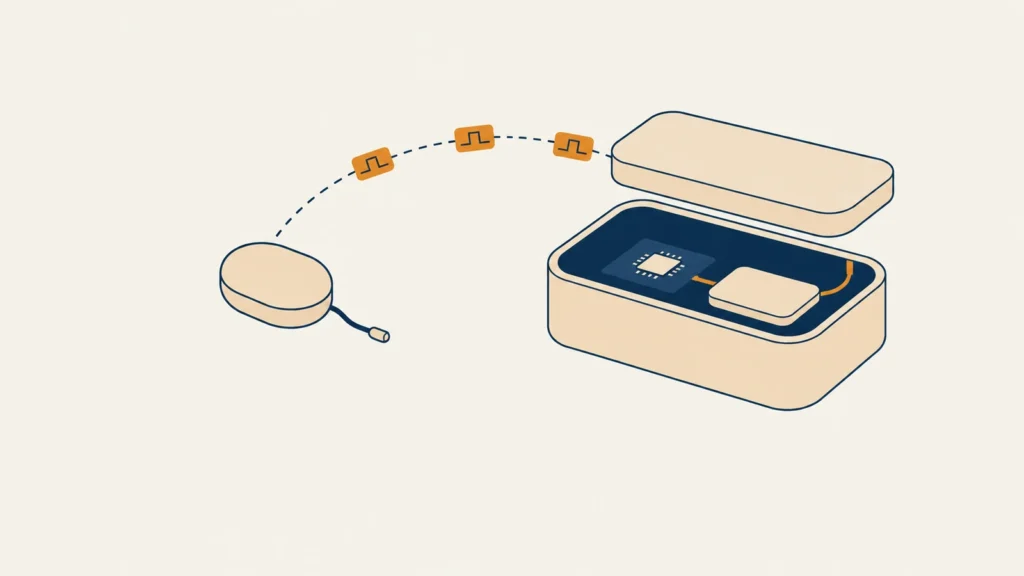
On a wearable controller for a neural implant the specification that matters is jitter, not latency. The implant is unserviceable, so every changeable function belongs in the hub. Standard Bluetooth cannot sit inside a millisecond control loop, so the radio carries stimulation patterns rather than samples, and the loop closes at the implant against a […]
The consumable is the product: electronics design for an FDA-cleared wearable stimulator
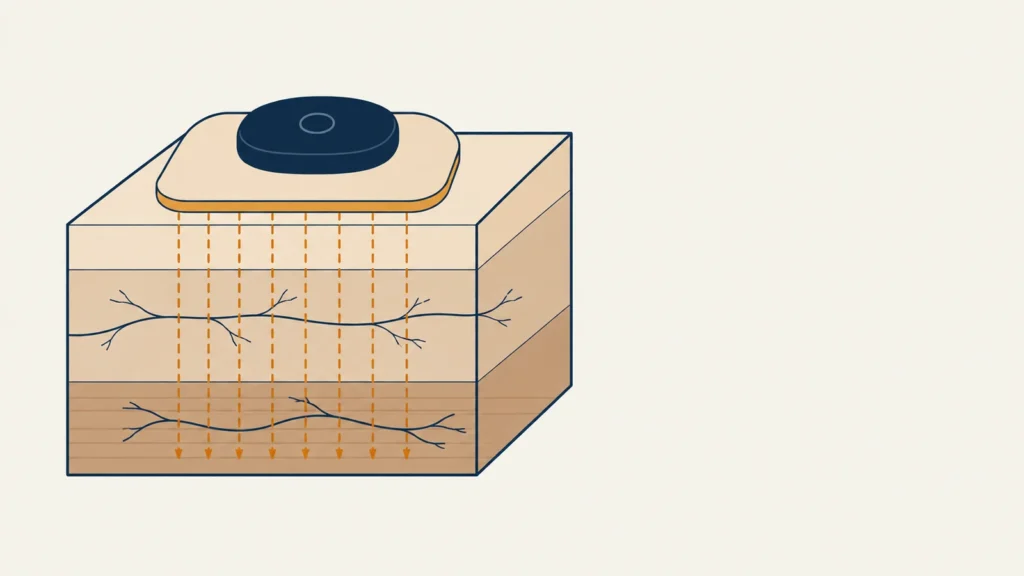
On a wearable stimulator the disposable electrode is the product and the electronics are its support system. The pad sets the load the output stage sees, the comfort that decides whether therapy continues, and the recurring revenue. Design the output stage against an aged pad, measure its impedance in the device, and qualify the hydrogel […]
Non-Invasive Therapy Device Design: Redefining Patient Recovery

Non-invasive therapy device design has revolutionized patient recovery, offering effective, pain-free alternatives to traditional treatments. These devices leverage advanced technologies to deliver therapeutic benefits without surgical procedures or invasive techniques. From physical rehabilitation to chronic pain management, non-invasive devices are becoming a cornerstone of modern healthcare, redefining how patients heal and regain quality of life. […]
The Ultimate Success Story: 1 EEG Monitoring Device Journey from Concept to FDA Approval

“It can’t be done in less than two years.” That’s what industry veterans told us when we proposed developing a new EEG monitoring device in just 14 months. Yet here we are, with an FDA-approved product ready for market. This isn’t just a success story – it’s a blueprint for how to revolutionize medical device […]
7 Innovative Pain Management Device Development Strategies for Better Patient Care

Pain management device development is at the forefront of transforming how chronic and acute pain are treated. Innovative devices designed for pain relief are improving patient outcomes, reducing dependence on medications, and offering non-invasive alternatives to traditional therapies. From wearable technologies to implantable systems, these devices address a wide range of conditions, enhancing both the […]