Welcome to the OVA Solutions knowledge hub. Here we share what we have learned building medical devices: prototyping and design transfer, what development actually costs and how long it takes, and the regulatory path through the FDA, ANVISA and COFEPRIS. Real numbers from real projects, not generalities.
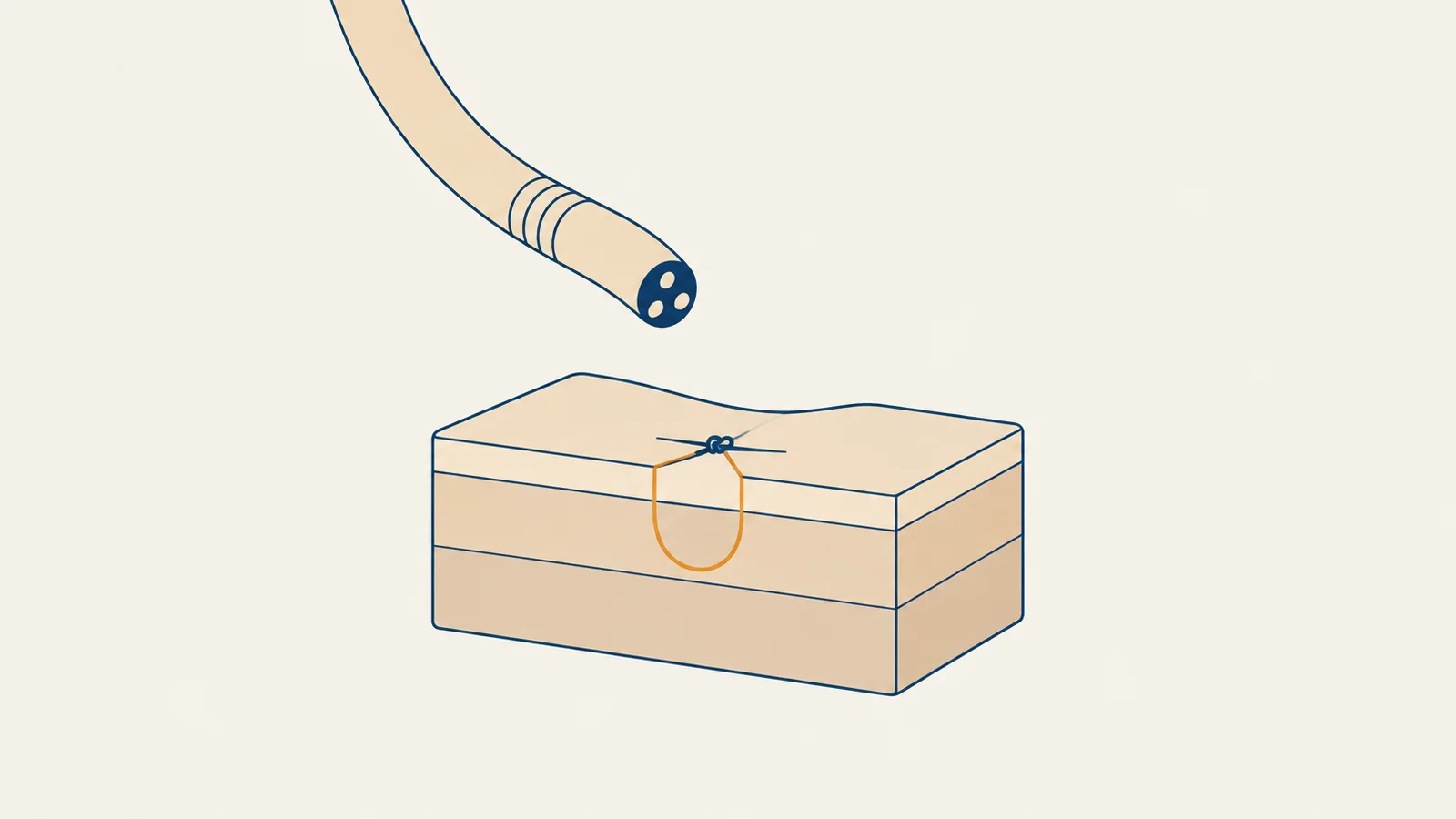
Technical success is not clinical success: engineering an endoscopic suturing system
Endoscopic suturing places its sutures as intended in nearly every published series, yet clinical success runs from 93 percent for perforations down to 27 percent
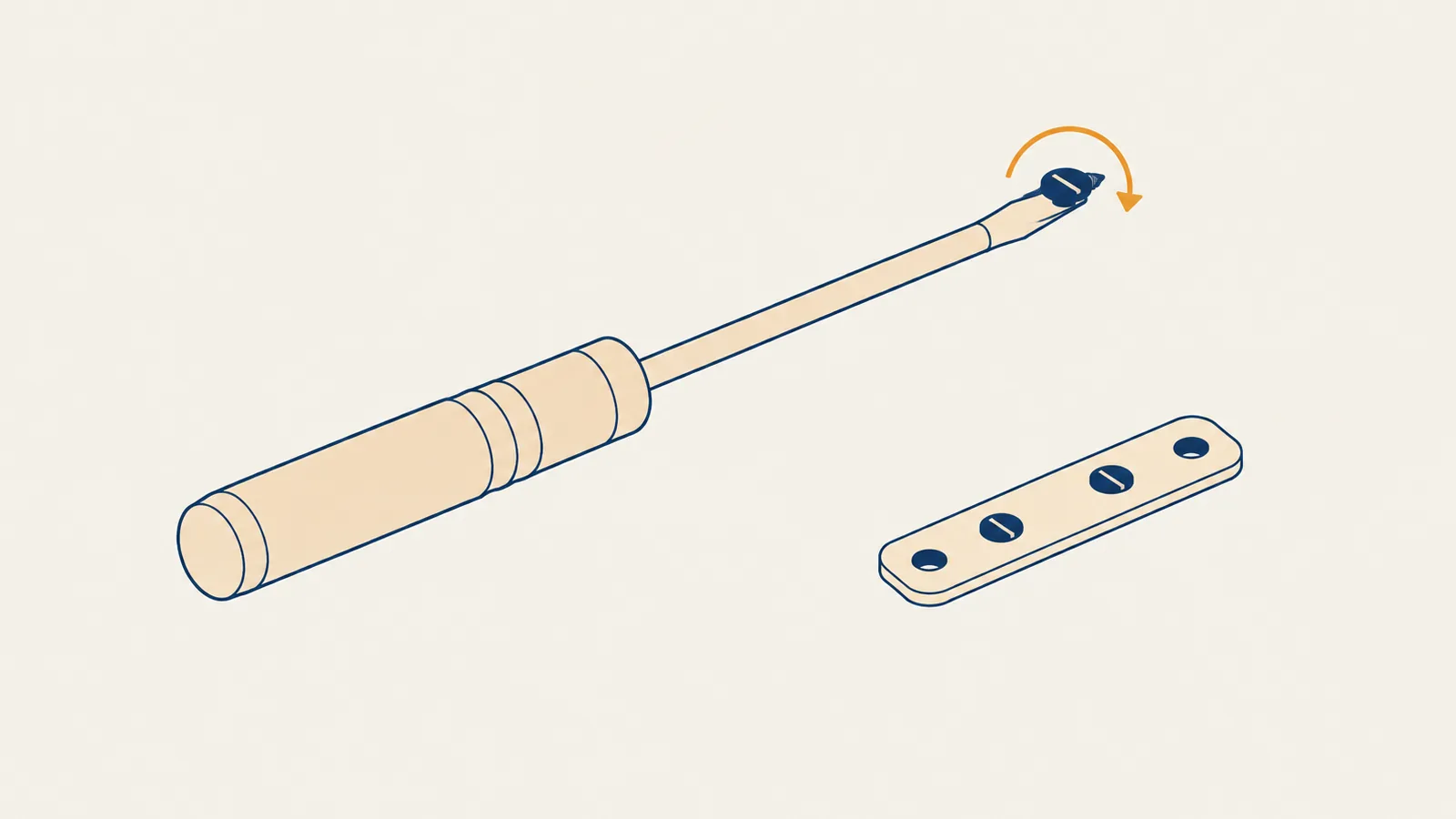
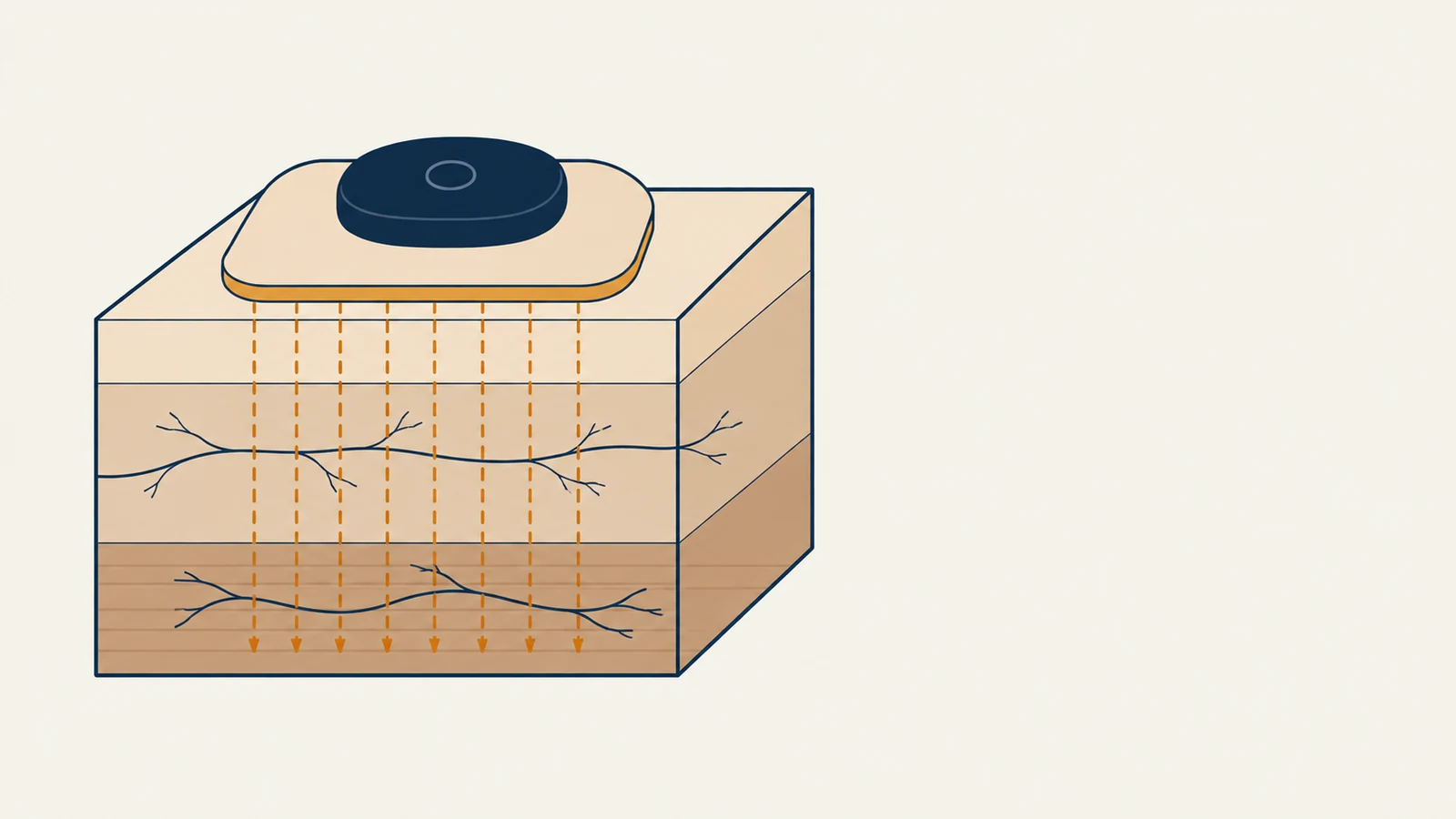
Validating a cranial fixation interface: the instrument needs its own test
Intraoperative breakage in orthopedic surgery involves drill bits, wires and driver tips as well as screws, and for a cranial fixation driver neither ASTM F382
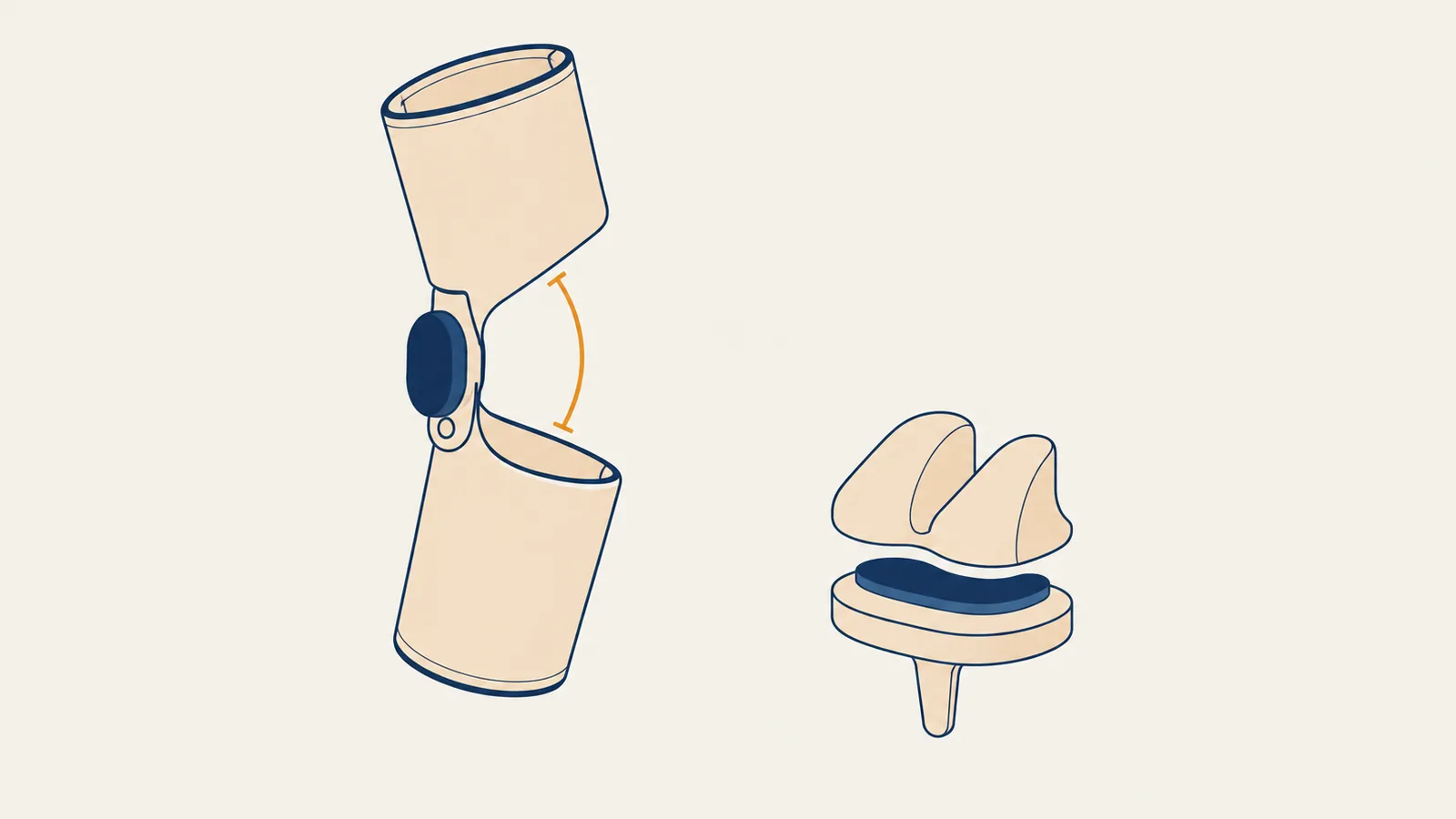
When measurement error equals the clinical effect: designing a wearable knee monitor
On a wearable knee monitor built on inertial sensors, published measurement error against optical motion capture runs 4 to 9 degrees, and the gait deficits
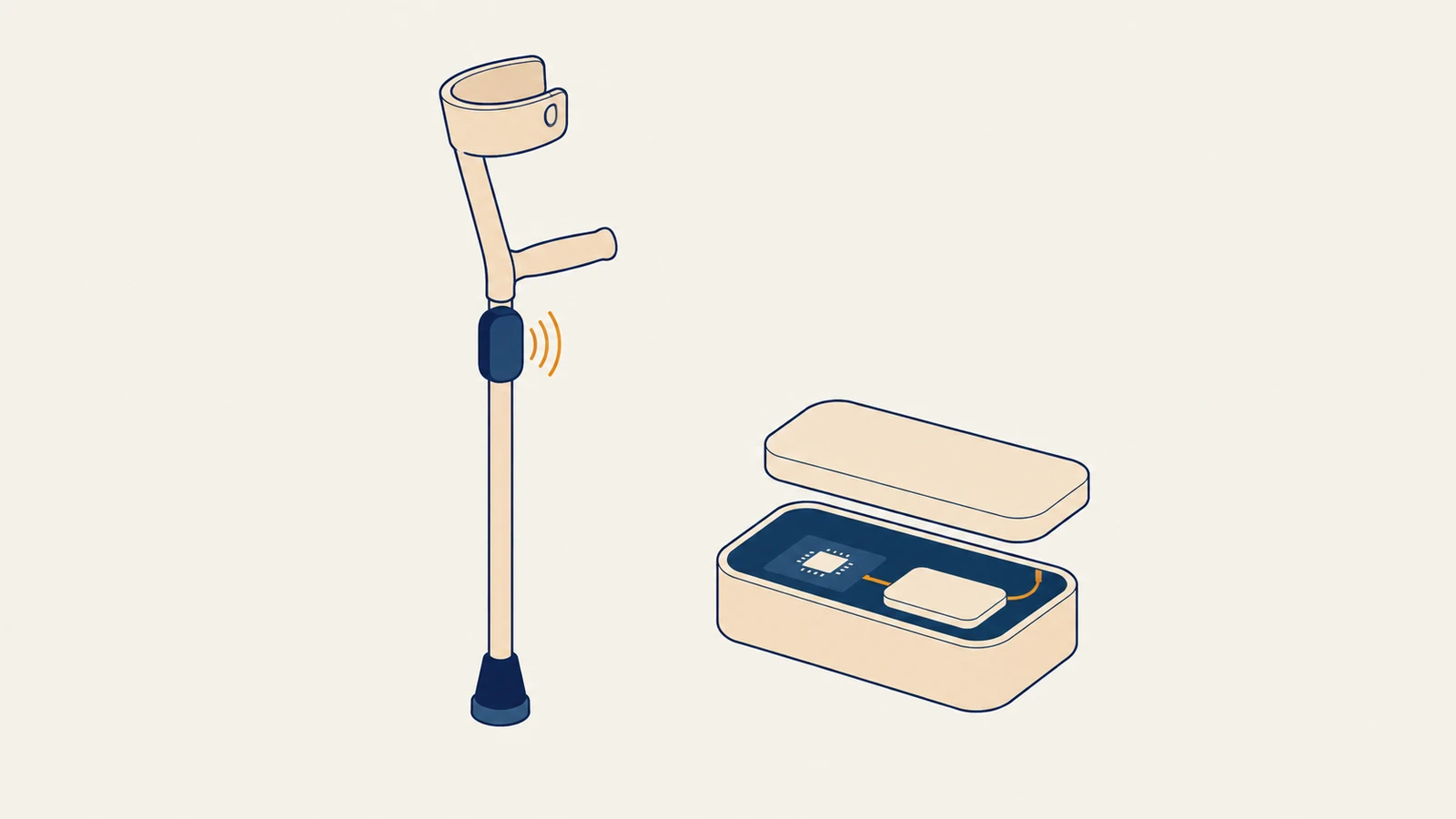
On a rehabilitation crutch that doses limb loading, the load cell is the solved part. Published measurement accuracy sits near an intraclass correlation of 0.97,
Jitter is the spec: architecting a wearable controller for a neural implant
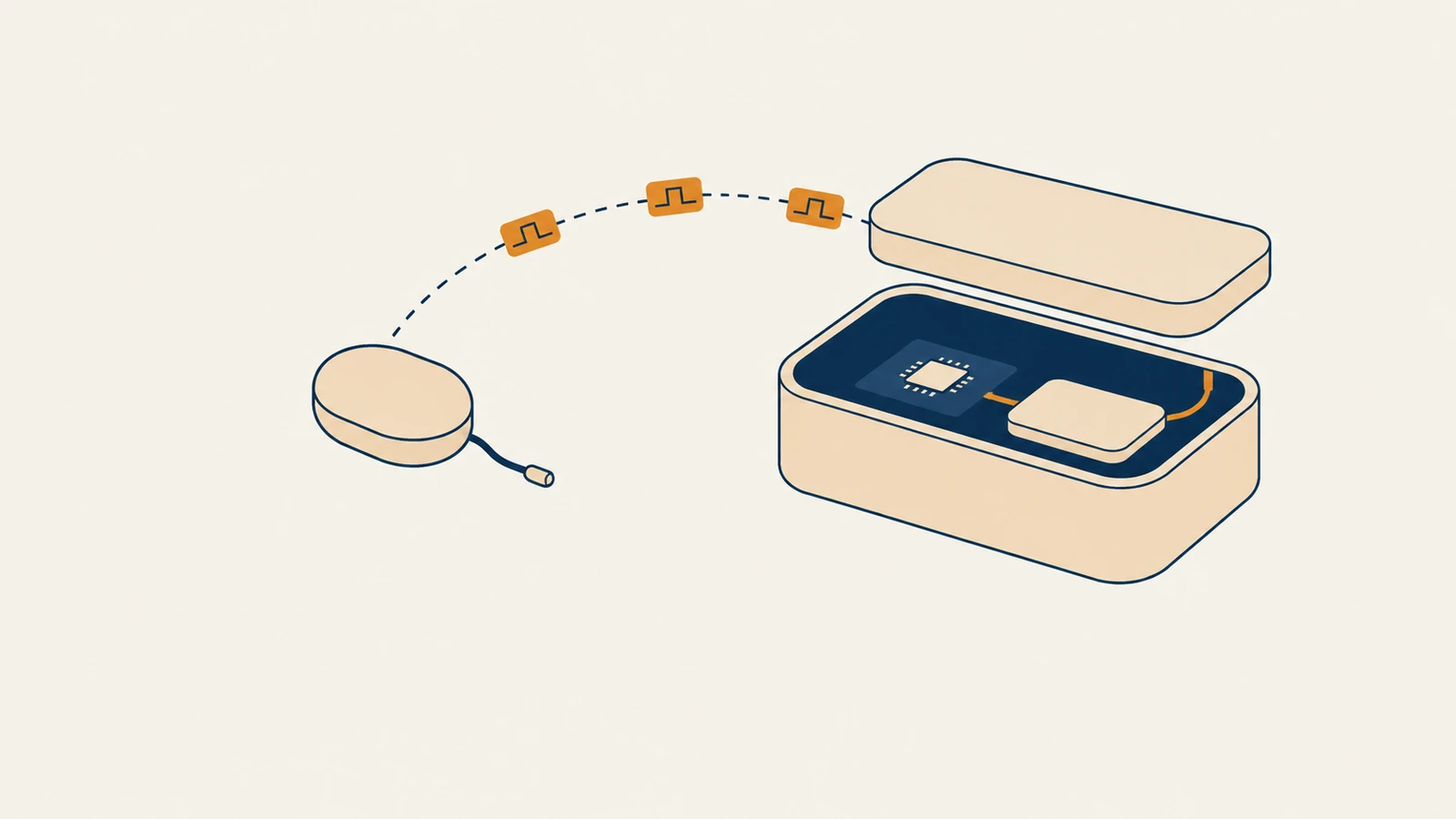
On a wearable controller for a neural implant the specification that matters is jitter, not latency. The implant is unserviceable, so every changeable function belongs
Five vitals on one wrist: the interference problem in multi-parameter wearables
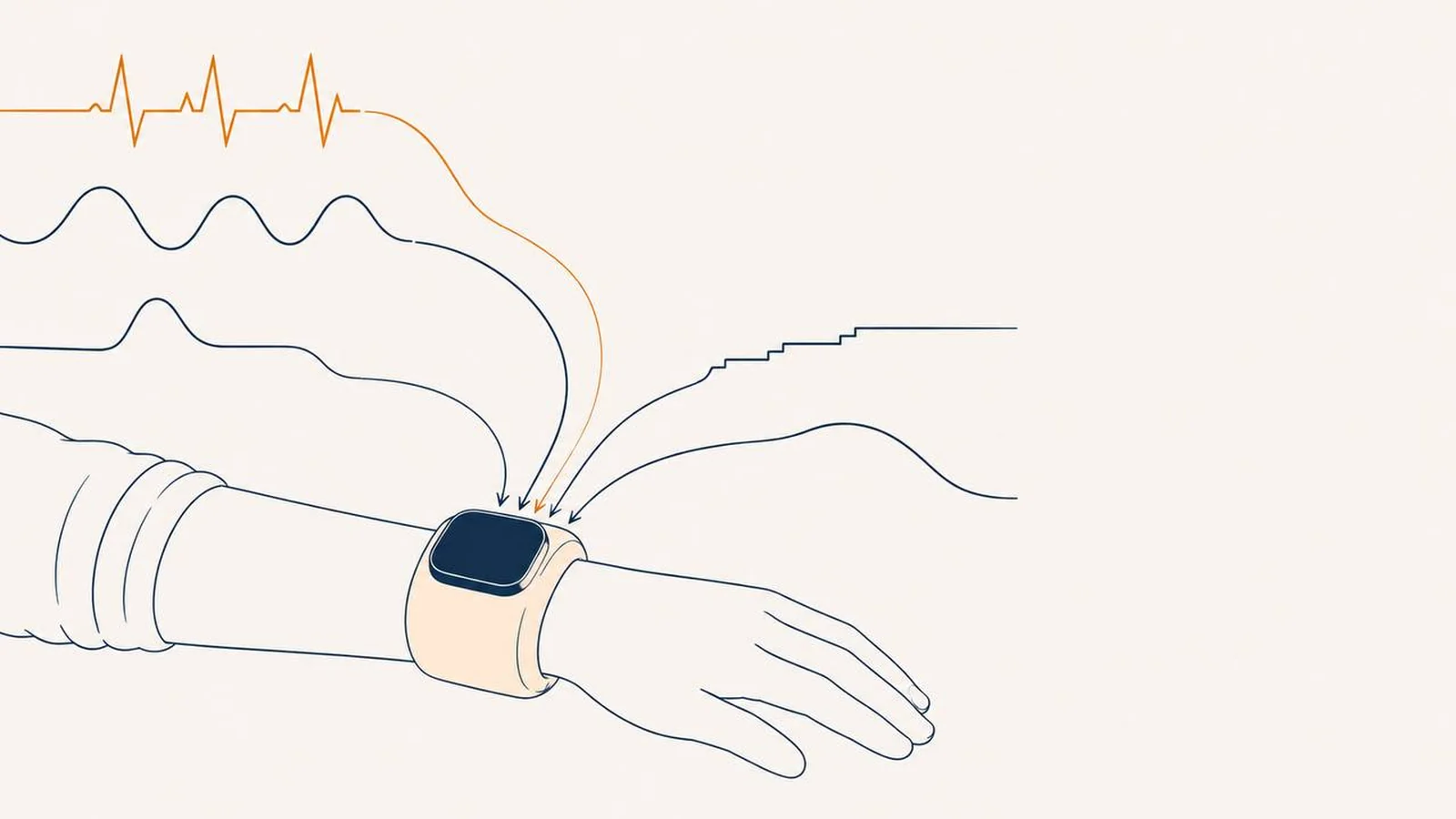
A remote patient monitoring bracelet that measures blood pressure, ECG, oxygenation, pulse, and skin temperature looks on a requirements document like five independent subsystems sharing
Engineering Design and Development in a 12-Week Turnaround: Critical Lessons from Redesigning Chinese Hardware
Table of Contents Why Fast Redesign Starts With Brutal Clarity The 12-Week Redesign Framework That Works Why Chinese Hardware Needs Redesign — Not Just Adaptation
IP Recovery After Working With Chinese Suppliers: Real-World Case and Step-by-Step Guide
Table of Contents A Real Case: From Crowdfunded Success to Supplier Betrayal Why IP Gets Compromised With Chinese Suppliers 1. Wrong Contracts 2. Tooling and
Every website does, this one included, because without them the internet would work about as well as a device that skipped design verification. Ours only count which pages engineers and founders actually read. Privacy policy
Cookie settings
Necessary
Remember your language and this choice, and protect the contact form from spam.
Always on
Google Analytics: which pages get read and how visitors find the site.